Bitcoin's rally builds toward $80,000 as ETF demand meets a short squeeze
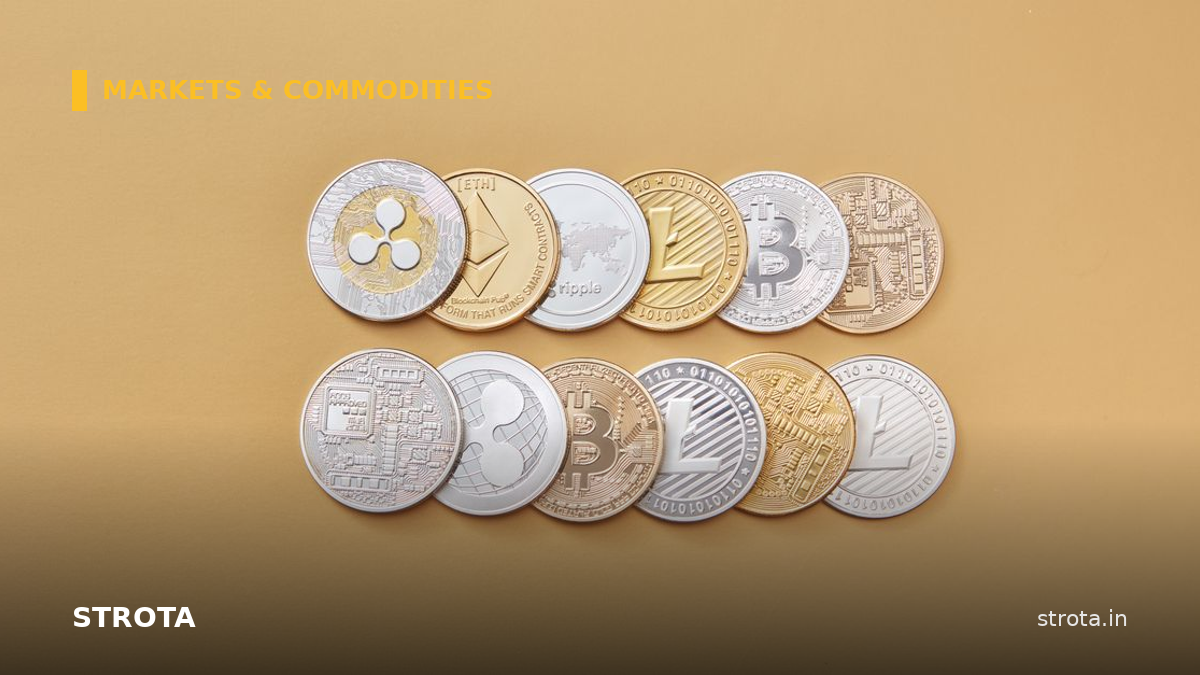
Bitcoin's rally gathered steam this week, with the cryptocurrency pushing toward a $80,000 mark as demand from exchange-traded funds built and a short squeeze forced bearish traders to close their positions, according to a report from NDTV Business.
The move was, per the report, set in motion when Washington signalled plans to step up repurchases of its longer-dated debt, a tactic aimed at pulling yields lower. That backdrop, combined with a squeeze as traders were forced to close bearish bets, accentuated the advance.
To understand the mechanics, it helps to separate the two reported drivers. A Treasury buyback of long-dated bonds is a rates story: when the government repurchases its own long-maturity debt, it tightens supply of those bonds and tends to push their yields down. Lower long-end yields can soften the dollar and improve the relative appeal of assets that do not pay a coupon. That is the slow-burn, macro case for the rally.
The short squeeze is the opposite — a fast, mechanical force. Traders who sold the asset betting on a fall are forced to buy it back to limit losses when the price rises against them. Their forced buying pushes the price higher, which forces more shorts to cover, and the loop continues until the pool of bearish positions is exhausted. A squeeze can produce a violent move in hours or days without any change in the long-term demand picture.
That distinction is the crux of whether this rally has legs. A move driven by genuine ETF accumulation — new, sustained buying from funds — tends to have follow-through, because the buyer is building a position it intends to hold. A move driven primarily by a squeeze tends to fade once the forced covering is done, because the marginal buyer was not a willing investor but a trapped one.
What is striking is how little the public wire actually establishes about the move. The single sourced account runs to two sentences. It names the $80,000 level, the bond-buyback rationale, and the short squeeze — and then stops. There is no figure for the size of ETF inflows, no price the asset currently trades at, no stated timeframe for the buyback plan, and no volume data to confirm the scale of activity.
The same wire pull also surfaced an unrelated commodity note: copper prices approaching record highs as AI-driven electricity demand surges, with one forecast pointing toward $8. The two items travelled together in the feed but describe separate markets — one a crypto squeeze, the other a structural industrial-demand story tied to data-center buildout. Confusing them would be a category error.
For now, what can be said with the available evidence is narrow. Bitcoin is described as rallying toward $80,000, with the reported drivers being ETF demand, a US long-dated bond buyback plan aimed at lowering yields, and a short squeeze of bearish positions. The data does not establish the scale of the move, the current price, or whether the rally is being driven by new buying or simply the unwinding of old shorts.
That gap between headline and evidence is worth holding in view. The $80,000 figure is doing a great deal of narrative work, yet the underlying pack offers no price, no inflow number, and no timeline to substantiate how close the market actually is to that level. The honest read is that a rally is underway with two plausible drivers — one structural, one mechanical — and the public record, as captured here, is not detailed enough to say which one dominates.
Until fuller data lands — current price, ETF flow size, and the status of the buyback plan — the move is best described as a squeeze-accelerated rally inside a rates-driven backdrop, not a confirmed new leg of accumulation. The pack supports the first characterization. It does not yet support the second.
Sources and method
More money stories
- Bitcoin ETFs took in $999 million in a day as the price cleared $87,000
- Five straight weekly losses for Indian government bonds, and the reason starts in Washington
- A Fed Hike, a Rupee Near 96 and Why the RBI October Call Just Got Hard
- One oil shock, two opposite answers: Tokyo hikes to a 31-year high, London sits still
- Brent hit $107.05 after a Saudi pipeline went down, and Goldman Sachs sketched a $120 scenario
- Iran's claim on 10 ships took crude to $101, and put one hundred twenty dollars back in the conversation