Gold crosses Rs 1.5 lakh per 10 grams, and silver is the tighter story
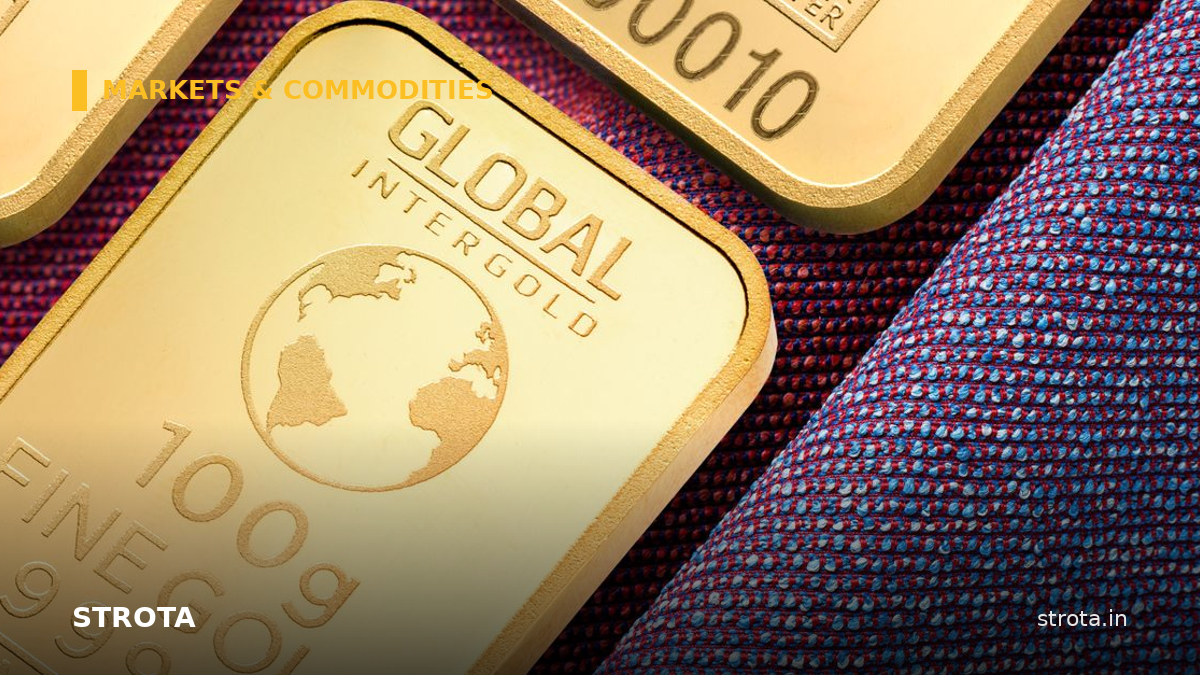
If you have walked past a jewellery counter lately and flinched at the rate board, you were reading a real signal rather than imagining one. Gold in India has pushed to a level that would have looked like a typo a few years ago. Silver, the metal most Indian households treat as gold's cheaper cousin, has been the more restless of the two.
According to a report from the Economic Times, gold and silver both climbed on the MCX on Friday, extending a run that was already underway. Across the week, that report puts gold's gain at Rs 6,400 per 10 grams and silver's at Rs 11,502 per kg. Reporting from NDTV Profit describes the gold rate crossing Rs 1.5 lakh per 10 grams, with silver getting costlier by more than Rs 6,000 per kg on the same exchange.
MCX is the Multi Commodity Exchange, where traders deal in futures contracts on metal rather than in metal itself: an agreement to settle at a set price on a later date. Those quotes are the reference point that eventually filters into the rate a local jeweller writes on the board, which is why a move there is not an abstraction to anyone saving for a wedding.
Behind silver's part of this, the reporting points at something more concrete than mood. The physical market is described as tightening, with major global inventories under pressure. Those inventories are the stockpiles of real metal sitting in vaults and warehouses that back trading and delivery, and when they thin out, the queue of buyers starts to look long relative to what is actually on the shelf.
Industry supplies the other half of that squeeze. Silver is not only something people hold as savings; it is an input that gets used up, and the report notes that industrial demand keeps absorbing large quantities of it. Every kilogram consumed on a production line is a kilogram unavailable to someone who wanted to own it. Gold does not compete with a factory floor in quite the same way.
Rates and energy costs form the wider backdrop. Easing oil prices, plus shifting expectations about where U.S. interest rates are headed, supported sentiment across both metals, the Economic Times says. The reasoning traders apply here is old and fairly simple: when the return available on cash and bonds is expected to slip, metal that pays no interest at all feels less expensive to sit on.
One American statistic now stands between the market and its next move. Investors are waiting on the U.S. nonfarm payrolls report, the monthly count of jobs added outside farming, which gets read for clues about what the Federal Reserve does next. A jobs tally in Washington has no obvious connection to a gold rate in Mumbai, yet it shapes the rate expectations those prices are leaning on.
Worth saying plainly: the reporting does not hand over one clean cause. The Economic Times frames part of the week around optimism over a peace deal without spelling out the mechanism, while the silver explanation rests on inventories and industrial appetite. Several forces are being described at once, and none of them is established on its own as the driver.
For a household with a locker of jewellery or a few units of a gold ETF, the practical meaning is narrower than the numbers suggest. Metal bought years ago is worth more on paper, and nothing has been realised until it is sold. The same wedding budget now buys less. A market moving this fast in the days before a major data release also tends to move quickly in both directions, and that is the part a rate board never shows.
Sources and method
- Gold Rate Jumps Above Rs 1.5 Lakh Per 10 Grams, Silver Price Gets Costlier By Over Rs 6,000 Per Kg On MCX (NDTV Business)
- Gold prices jump Rs 6,400/10 grams this week, silver soars Rs 11,502/kg amid peace deal optimism. Big rally ahead? (Economic Times)
- UK Drivers Take To Fuel Theft amid War-Driven Price Surge (Crude Oil Prices Today | OilPrice.com)
- Petrobras Reports Record Quarterly Profit Driven by Surging Oil Prices (energynews.pro)
- BP’s Profit Tops $5 Billion as Oil Prices Surge (Brazil Energy Insight)
- Copper price sets fresh US record as tariff-driven hoarding meets shrinking supply (Mining.com)
- Copper, Uranium and Lithium Price Forecast: Record Copper Leads a Broad Rebound (FXEmpire)
- Chad–China: a record 738 million USD surplus driven by the oil price spike and China's energy appetite (Capmad)
More money stories
- Bitcoin ETFs took in $999 million in a day as the price cleared $87,000
- Five straight weekly losses for Indian government bonds, and the reason starts in Washington
- A Fed Hike, a Rupee Near 96 and Why the RBI October Call Just Got Hard
- One oil shock, two opposite answers: Tokyo hikes to a 31-year high, London sits still
- Brent hit $107.05 after a Saudi pipeline went down, and Goldman Sachs sketched a $120 scenario
- Iran's claim on 10 ships took crude to $101, and put one hundred twenty dollars back in the conversation