The 6 A.M. Email: How Tech's AI Boom Became a Mass Layoff Machine
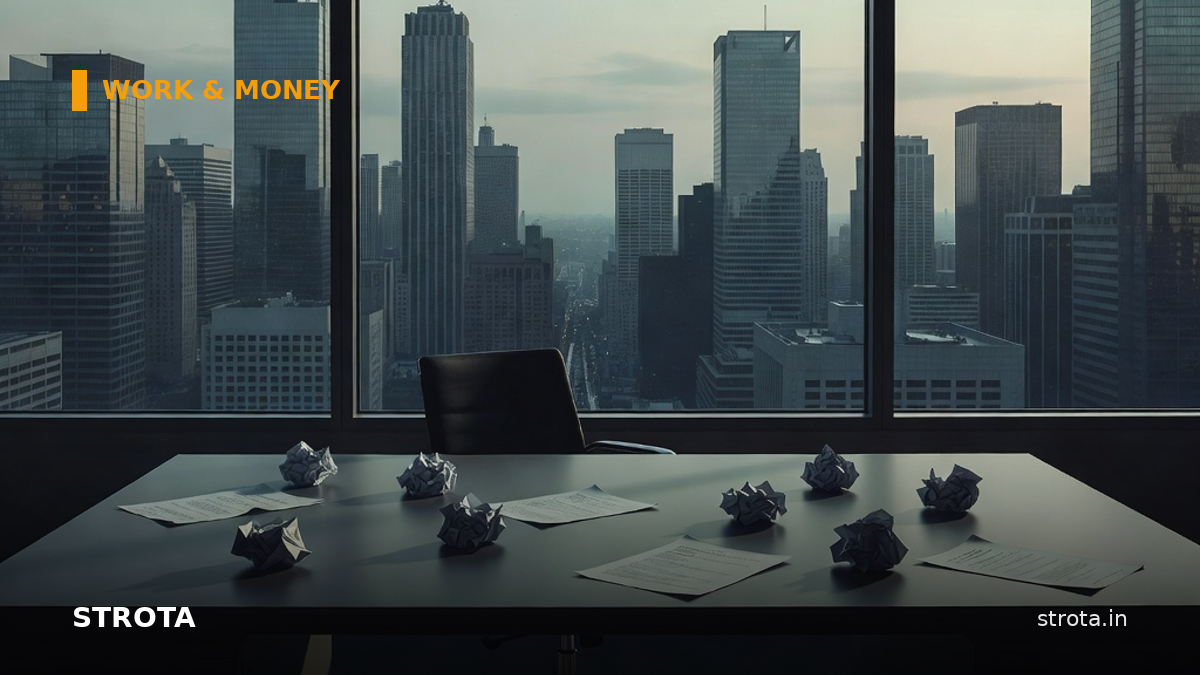
The message arrived at dawn. Thousands of Oracle employees worldwide woke to a 6 a.m. email informing them their jobs had vanished. No meeting. No warning. Just an inbox notification that instantly transformed colleagues into job seekers updating LinkedIn profiles before breakfast.
This is the human texture of tech's AI transformation: not glossy product launches, but predawn terminations, severance negotiations that go nowhere, and workers discovering they've been flagged by algorithms for taking parental leave.
The scale is staggering. Oracle has shed approximately 21,000 roles over the past year, with one report putting global cuts as high as 30,000. Meta has eliminated roughly 25,000 positions since 2022, including 10% of its entire workforce in a single recent action. Microsoft cut nearly 5,000 employees across Xbox and commercial sales. Disney's animation division has been, in one insider's blunt phrasing, "gutted." Block, Jack Dorsey's company, slashed its workforce by roughly 40%—about half its employees.
What's driving this bloodletting is where the story grows uncomfortable. Companies are spending unprecedented sums on artificial intelligence infrastructure. Meta has poured billions into the technology race. Oracle is "ramping AI spending" even as it cuts thousands. Amazon is building AI data centers while reducing headcount.
The official narrative frames layoffs as strategic repositioning—freeing resources for innovation. But workers and their advocates see something more calculating. At Meta, 26 employees have sued, alleging the company used biased AI to target workers who took medical or parental leave for termination. The lawsuit claims the algorithm tagged these workers for layoffs. A federal judge has so far rejected requests to block the cuts, allowing the layoffs to proceed while litigation continues.
The human responses range from darkly comic to heartbreaking. Some Meta employees reportedly scrambled to use up benefits before their termination dates. Others sought solace in nudist colonies, prayer, or drinking—coping mechanisms that leaked into internal forums. One departing staffer posted a biting anti-AI video internally, a digital parting shot at the technology reshaping their industry.
At id Software, the legendary game studio behind Doom, management insisted layoffs hadn't "nerfed" the company's capabilities. Current and former employees publicly disagreed, pushing back against the suggestion that losing colleagues carried only "mild consequences."
The severance mathematics reveal stark power imbalances. Laid-off Oracle workers attempted to negotiate better packages; the company declined. Some employees are now fighting over lost stock worth nearly $1 million. The offered packages vary dramatically by region—U.S. employees receive different terms than their counterparts in India, where approximately 12,000 Oracle positions were eliminated with another round anticipated within a month.
For those remaining, the psychological contract of tech employment has shattered. Research now shows that long-tenured workers are least prepared for layoffs, their years of loyalty providing no insulation. Glassdoor data suggests the reputational damage from mass cuts lingers for years, affecting recruitment and retention long after headlines fade.
The irony deepens when examining what happens to the work itself. At Block, laid-off workers noted that their jobs—complex, interpersonal, judgment-dependent—couldn't actually be performed by AI despite the company's automation rhetoric. "You can't really AI that," one observed. Yet the layoffs proceeded anyway.
This pattern repeats across the industry. Monday.com, ClickUp, Atlassian, Snap, Nike, Verizon, BT, ESPN, LinkedIn—each has executed significant reductions, often while emphasizing their AI commitments. The 2026 layoff tracker shows job cuts dropped 53% in June, but this statistical improvement offers cold comfort to those already displaced.
What emerges is a portrait of an industry in violent transition. The same executives who once competed fiercely for talent now describe employees as "lines on a spreadsheet." The same companies promising AI-powered abundance are delivering human scarcity. And the same workers who built these technologies find themselves classified by algorithms they helped create—tagged, sorted, and selected for elimination.
The broader lesson extends beyond tech. When major employers automate their own workforce decisions, when spending on machines supersedes investment in people, when termination arrives via predawn email, the nature of work itself transforms. The question isn't whether AI will change your industry. It's whether the transition will include human dignity—or merely optimize it away.
Sources and method
- Monday.com’s mass layoffs reveal the next phase of the AI shake-up in software (calcalistech.com)
- Meta to proceed with mass layoffs as judge rejects workers' AI bias challenge (People Matters - HR News)
- Talrop On The Footsteps Of CorroHealth: Employees Stage Protests Over Mass Layoffs At Second Company In Kochi (ETV Bharat)
- id Software employees criticize management's statements about the mild consequences of mass layoffs (ixbt.games)
- 26 Meta Employees Sue Over AI-Driven Layoffs Targeting Leave Takers (The420.in)
- The effects of big layoffs on a company’s Glassdoor ratings can linger for years (Fast Company)
- CorroHealth mass layoffs: Kerala High Court asks company, employees to resolve dispute through conciliation (CNBC TV18)
- Meta accused of using biased AI targeting for mass layoffs (The Verge)
More money stories
- The 6 A.M. Email: Inside Tech's New Ritual of Firing 30,000 People at Once
- SoftBank just priced a ¥1 trillion retail bond at 4.75%
- Dollar firms as Middle East tensions push oil and yields higher
- Rs 30,919 crore in one month: foreign funds just backed Indian stocks for the second month running
- Crude's first weekly fall in weeks is no reprieve for Surat's weavers
- India's bonds slipped as a flood of new debt met cautious buyers, even while oil gave them a gift