
India's Oil Bill Just Jumped 61% — While Buying Less Crude Than Before
A perfect storm of Middle East conflict and currency pressure is forcing India to pay far more for far less, squeezing household budgets and policy choices alike.
Real money drama — scams, layoffs, debt, windfalls and family fortunes — reported and told well.
A perfect storm of Middle East conflict and currency pressure is forcing India to pay far more for far less, squeezing household budgets and policy choices alike.
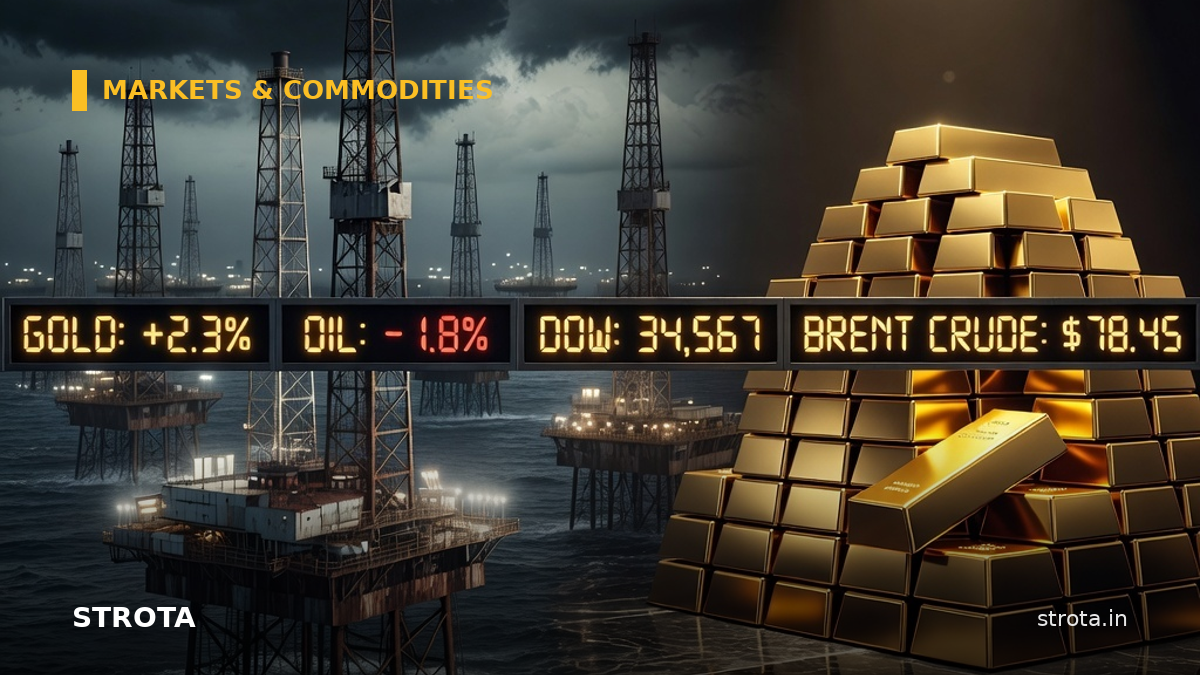
When missiles fly and peace talks flicker, commodity markets don't just react. They argue with themselves, leaving ordinary investors caught between fear and hope.

Indian government bonds slipped Tuesday as Middle East tensions pushed crude past a key threshold, showing how a faraway conflict can quietly erode your portfolio.

MCX gold futures hit a dizzying ₹1,42,150 as Middle East chaos scrambles the old rules of safety. For ordinary Indians, the fear trade has never cost more.
Brent crude has crossed $90 a barrel, sending bond yields soaring, gold wobbling near $4,000, and central bankers from Frankfurt to Wellington into damage-control mode.

A single week of US-Iran strikes and Houthi blockades sent Brent crude soaring 16%, testing investors, central banks, and household budgets across three continents.

Precious metals surge on whispers of US-Iran diplomacy, even as a Houthi naval threat reminds investors that the Middle East powder keg still has a lit fuse.
How a narrow waterway became the world's most expensive chokepoint, and why the ripple effects are reaching far beyond the gas pump.

Brent crude crossed $90 as the US-Iran conflict shut the Strait of Hormuz, sending India's import bill soaring 60% and dragging gold below $4,000. Here's how one crisis in the Middle East reaches your wallet.

When oil prices touched $90 and the U.S. and Iran traded missiles, India's currency hit a two-month low—and the RBI stepped in with an emergency dollar sale to stop the bleeding.

A single chokepoint in the Middle East sent crude soaring and India's currency tumbling, showing how distant wars rewrite household budgets overnight.

When crude crossed ninety dollars, it didn't just hurt drivers at the pump. It sent gold tumbling, put central bankers on war footing, and left one currency exposed to the biggest hedge-fund bet in memory.

The US-Iran conflict has sent crude prices surging and markets tumbling, leaving ordinary investors caught between inflation fears and safe-haven confusion.

Brent crude crossed $90 as U.S.-Iran attacks threatened the Strait of Hormuz, sending shockwaves through airlines, inflation forecasts, and everyday budgets.

Prices have slipped from dizzying peaks, but the metal's record run has already spawned a shadow economy worth billions — and left ordinary buyers wondering what comes next.

When oil prices surged 14% in two days, airlines braced for billions in new costs. For ordinary households, the shockwaves travel from Mumbai gas pumps to Midwest flight prices—and reveal how fragile our financial plans really are.
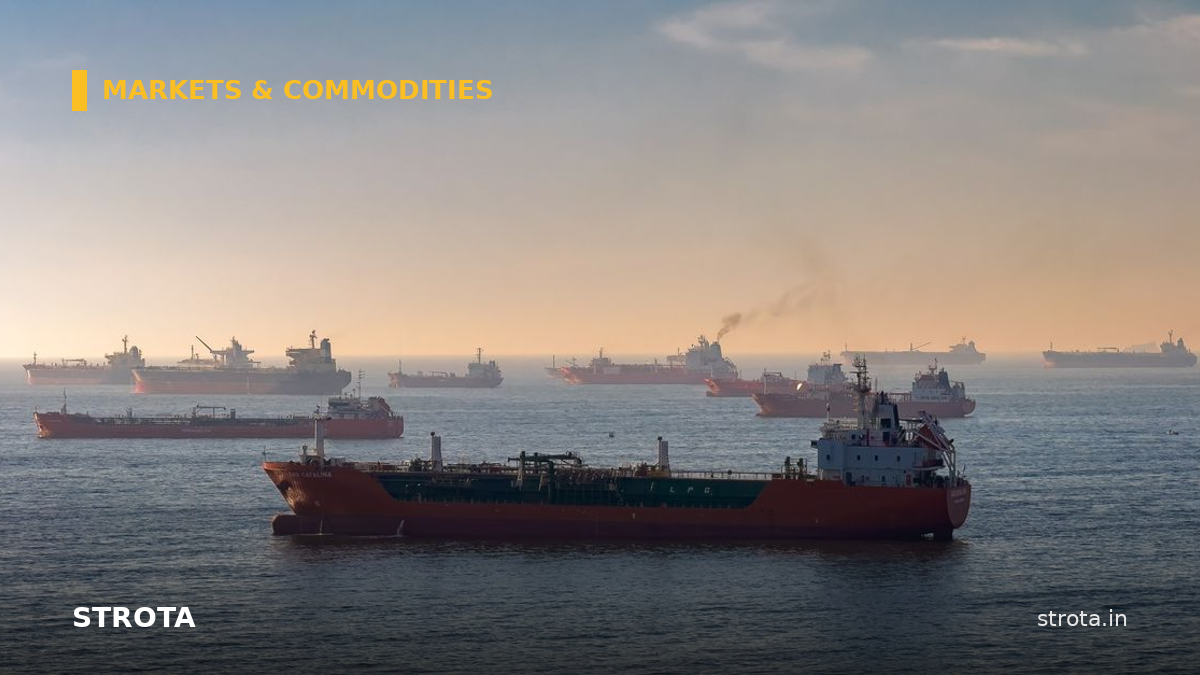
When US-Iran tensions flared, crude oil surged 14% in two days and the Indian rupee teetered at record lows — revealing how one narrow waterway holds the global economy hostage.

A 14-paise gain against the dollar looked like relief—until you saw what traders were really watching: record-low pressure, oil spikes, and foreign money fleeing.

State oil companies are holding petrol and diesel prices steady even as global crude spikes past $88 and airlines brace for billions in new fuel costs. The quiet before a very expensive storm.
When US-Iran hostilities flared, crude prices surged toward $90 and Saudi Arabia quietly rerouted its tankers. For families filling their cars and investors watching gold slide, the ripple effects arrived fast.

Crude prices surged as much as 20% in days after US-Iran strikes blocked the Strait of Hormuz, rippling through inflation fears, airline profits, and household budgets from Mumbai to London.

Oil prices surged nearly 12% in a week as U.S.-Iran tensions flared, pushing India's currency toward record lows and forcing the central bank into emergency action.

A week of missiles and blockades has sent crude oil soaring and scrambled the usual playbook for gold investors. Here's what the chaos in the Strait of Hormuz means for ordinary savers watching their portfolios.

Crude prices have surged nearly 12% this week as U.S.-Iran tensions threaten the Strait of Hormuz, while gold has slipped and central banks face pressure to hike rates. Here's how one geopolitical flashpoint is rippling through every corner of your finances.